
To be clear, this is not a critique of the FIFA Caravan itself. Events like this can bring energy, visibility, and community engagement. The issue is the process used to justify and approve the spending. Because when $160,000 to $200,000 in taxpayer funds can move forward with limited documentation, minimal breakdown, and under an urgency label that doesn’t quite align with the facts, it sets a precedent. And precedents, once set, have a way of repeating
On December 17, I wrote about Burlington’s decision to approve funding for FIFA Canada’s Caravan. At the time, the focus was on the process – specifically, how quickly $160,000 in public funds, plus staffing resources, moved from awareness to approval under an “urgent” designation.
Now, four months later, after having filed a Freedom Of Information (FOI) request on December 17, 2025, I finally received the Letter of Intent (LOI) on April 8, 2026. What it reveals raises more questions about process, transparency, and ultimately, how this city approaches spending taxpayer dollars.
The LOI: Not Unique, Not Late – Just Not Shared
First, the basics, the LOI issued by FIFA is dated November 21, 2025 – not November 29, as referenced in the City’s report (CSS-30-25). That eight-day difference matters because it directly contradicts the narrative of last-minute urgency. Upon close examination, the LOI’s issued to both Burlington and Chatham-Kent are, for all practical purposes, identical. Same date, terms, structure. The only differences are the municipal-specific details – names, addresses, and local contacts.
In other words, Burlington was not dealing with a unique or bespoke opportunity. It was responding to a standardized national outreach. Which leads to a simple question. Why was the LOI not shared with council or the public at the time of approval? Was it caution, oversight or perhaps a reluctance to disclose that the activation fee was clearly identified at $50,000 – a figure that might have framed the $160,000 request very differently?
$50,000 vs. $160,000 — A Question That Wasn’t Asked
Burlington approved $160,000, plus 0.5 FTE staffing, with no defined cost presented at the time. However, the LOI confirms what was known and should have been central to council’s deliberation, and that was that the activation Fee was for $50,000. That gap – between a clearly defined external obligation and a much larger internal funding request – should have been the focus of council scrutiny. Instead, what residents saw during deliberations was something else entirely.
The Questions Not Asked – Defined the Outcome
Rather than drilling into cost breakdowns or contractual obligations, council’s line of questioning ranged from the procedural to the abstract. What we heard were questions about, whether the expenditure might require a debenture from reserves. We heard analogies like the request was “bigger than a bread box but smaller than a box car.” And on point after Columbo-style repeated attempts, to pin down when staff first became aware of the opportunity. Staff eventually answered plainly, “We literally found out like on November, 29.” But that answer now sits uneasily beside the November 21, 2025, LOI
Important questions like – what exactly are we paying for, and why does it cost this much, were never asked.
Fast and Loose vs. Measured and Justified
For those who have worked in the private sector, this kind of process is hard to reconcile. In my own experience, seeking approval for a $160,000 piece of production equipment – something that generates revenue and improves efficiency – required extensive justification. Detailed breakdowns, return on investment, alternatives considered. Even when the expenditure was already budgeted, the scrutiny didn’t disappear. That’s not red tape. That’s stewardship.
Yet here, for a one-day event, there was no detailed cost breakdown at the time of approval. No LOI presented to council for a funding envelope that was more than triple the confirmed fee. And in the end, an approval was made under urgency despite earlier documentation:
This from a council that has increased taxes by 44% over four years making us ask, is this example a proxy for how spending decisions are approached? And if so, it should give taxpayers pause.
Are We Asking the Right Questions?
It’s easy to speculate, whether information was being withheld, whether council is reluctant to challenge staff, or if the urgency was overstated? But the more grounded explanation may be simpler – and more concerning. Staff, like soccer players, respond to the environment they work under and the expectations of those they rely on for guidance. If the expectation is one of rigorous financial scrutiny, that’s what you get. If the expectation is speed and accommodation, that’s what you get instead. Process is not accidental, it reflects culture.
The Final Score – Soccer 0
The LOI confirms what should have been known from the start. The opportunity was standardized, the external cost was defined, and the timeline was not as compressed as presented. What remains unclear is why that information wasn’t front and centre when council made its decision. In municipal government, trust is built not just on outcomes, but on process. And when process appears fast and loose with taxpayer dollars, it invites the very scrutiny now unfolding.
The question isn’t whether Burlington should have hosted the event. The question is whether it asked enough of itself before saying yes.
One last thing, the report relied upon to spend over $160,000 mentions FIFA forty-five times, World Cup eleven times, Letter of Intent six times, culture four times, and soccer (football) zero times.
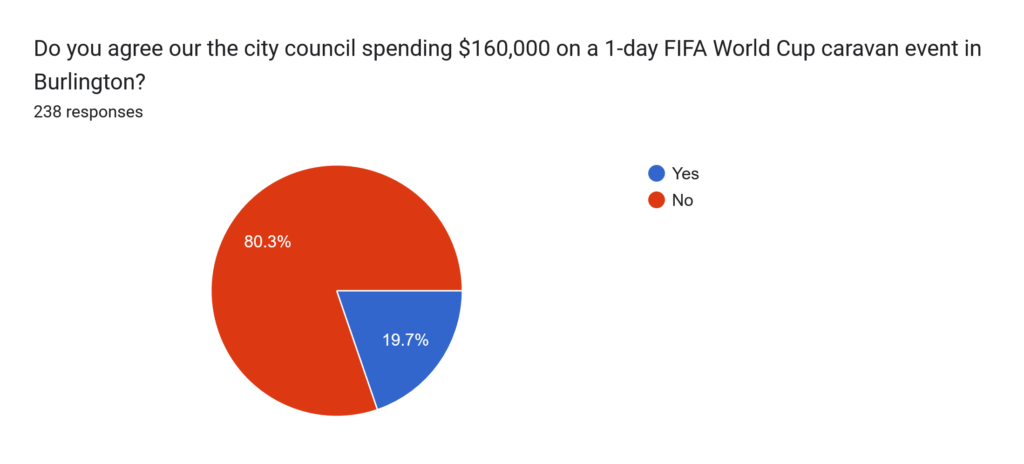
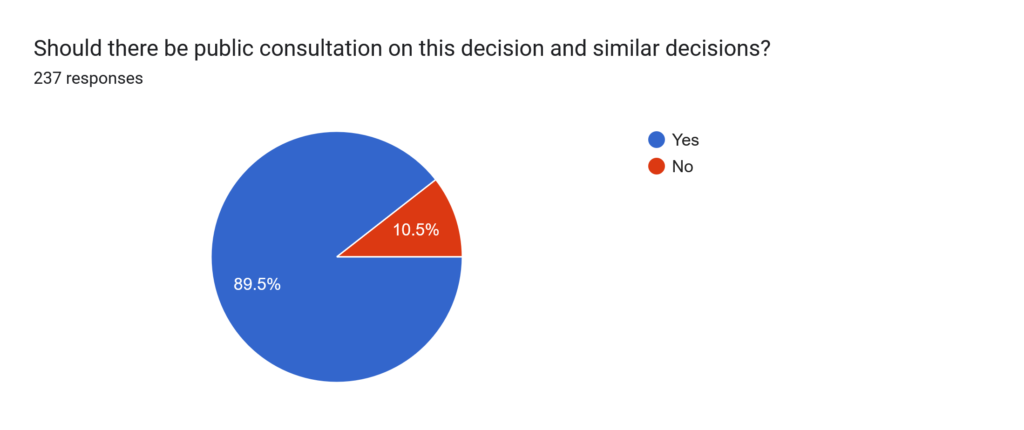
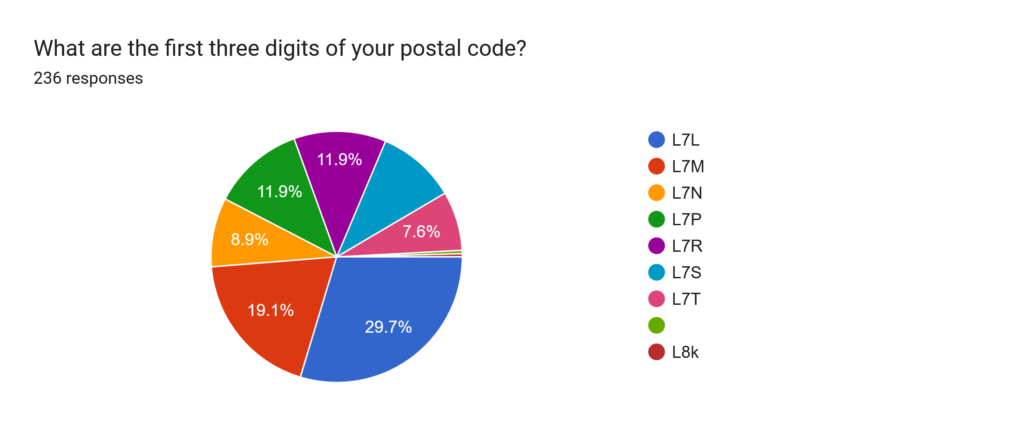
Focus Burlington FIFA Survey Results
Thank you to the 238 people who
Discover more from Focus Burlington
Subscribe to get the latest posts sent to your email.